Boats and the Fleet
Boats and the Fleet
How the Rock Harbor charter fleet works: choosing a boat, what a six-passenger charter includes, and the safety rules that govern the day.
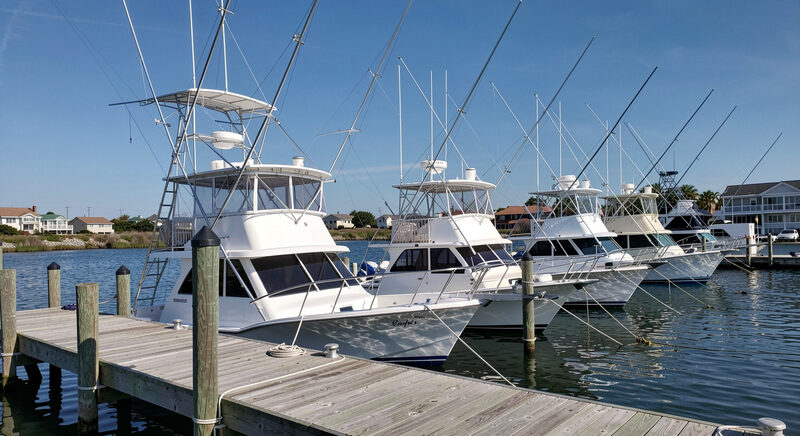
Rock Harbor is a working harbor, and the heart of it is a fleet of small charter boats that sail for striped bass, bluefish and, for the ambitious, bluefin tuna. These are not the big party boats of a city waterfront. They are modest, seaworthy sportfishing boats, most of them licensed to carry no more than six passengers, run by captains who fish the same water every day of the season.
This section of The Billingsgate Journal is about those boats and how a charter day works. It explains what the fleet is, how the boats differ, how to choose one that suits your group and how safety is handled on a small boat on a tidal bay. It is written for anyone considering a charter, whether they have fished all their lives or never held a rod.
The six-passenger rule
The most important fact about a Rock Harbor charter is the number six. Under United States Coast Guard rules, a charter boat that is not built and inspected as a passenger vessel may carry no more than six passengers, the so-called six-pack. That limit shapes the whole experience. It means a charter is a small-group affair, with room to move, personal attention from the captain and mate, and a level of comfort that a crowded party boat cannot offer.
It also means that space, and therefore bookings, are limited. A six-passenger boat with a good captain fills up on summer weekends, and groups often book well ahead. The upside is that the day feels private, and the fishing can be tailored to the people aboard.
Boats built for the bay
The boats that fish Cape Cod Bay tend to be in the range of roughly thirty to forty-five feet, with a cabin for shelter, a working cockpit and the tackle and electronics needed for the fishery. Some are set up for inshore work on the flats and shoals, others for longer runs to deeper water in search of tuna. The fleet is varied, and so is the experience each boat offers.
What they share is suitability for the water. Cape Cod Bay is shallow and tidal, and the boats that fish it are chosen for the conditions: able to work in thin water, able to take a chop, and able to get in and out of Rock Harbor within the tidal window. The guide to reading the tides at Rock Harbor explains why the harbor's schedule shapes the whole fleet.
What a charter includes
A typical charter includes the boat, the captain and usually a mate, the fishing tackle and bait, and the local knowledge that makes the difference between fishing and catching. Rods and gear are usually provided, which is a relief for a guest who does not own tackle. Guests normally bring their own food and drink, sun protection and warm layers, and a cooler for any fish they keep.
What a charter does not include is a guarantee of fish. The ocean does not offer those, and any operator who promises one is not being straight with a guest. What a good charter offers instead is a well-run day on good water, with a captain working hard to find fish and a mate helping everyone aboard get the most from the trip.
How a charter day is organised
A charter day at Rock Harbor starts with the tide, not the clock. Because the harbor opens for a few hours around high water, the sailing time is set by the water. A guest who books a trip will often find that the departure time shifts from day to day through the season, tracking the tide rather than a fixed schedule. That is normal here, and it is the first thing a visitor should understand about fishing from this harbor.
From the dock, the day follows a familiar pattern. The captain and mate greet the group, brief them on the boat and the safety equipment, and settle everyone aboard. Then the boat makes its way out through the channel within the tidal window and heads for the fishing ground. Where that is depends on the season and the conditions: the flats and shoals for striped bass and bluefish, deeper water for tuna on a longer trip.
Once on the fish, the mate rigs tackle, helps guests who are new to the gear and manages the cockpit when a fish is hooked. The captain works the boat, watching the tide, the birds and the electronics, and adjusting the plan as the day develops. A good crew keeps the whole thing running without fuss, so that the guest's job is simply to fish and enjoy the water.
The return is governed by the tide again. A full-day trip has to account for the harbor closing in the middle of the day, which is one reason longer trips often run further afield, to water that can be fished while the harbor is shut. The boat comes back in on a rising tide, ties up, and the day ends where it began, at a dock on a tidal harbor that is, for a few hours, a working port.
What this section covers
- The Rock Harbor charter fleet, how the boats differ and what a charter includes.
- Choosing a Rock Harbor charter boat, the questions worth asking before you book.
- Charter boat safety on Cape Cod Bay, the habits that keep a day uneventful.
From here, a reader can move to the angler's craft section for a first-trip guide and the rules that apply on the water, or back to the bay and seasons section to understand the water the fleet sails. Between the three sections, the aim is to give a prospective guest everything they need to book a day on Cape Cod Bay with confidence.
Boats and the Fleet
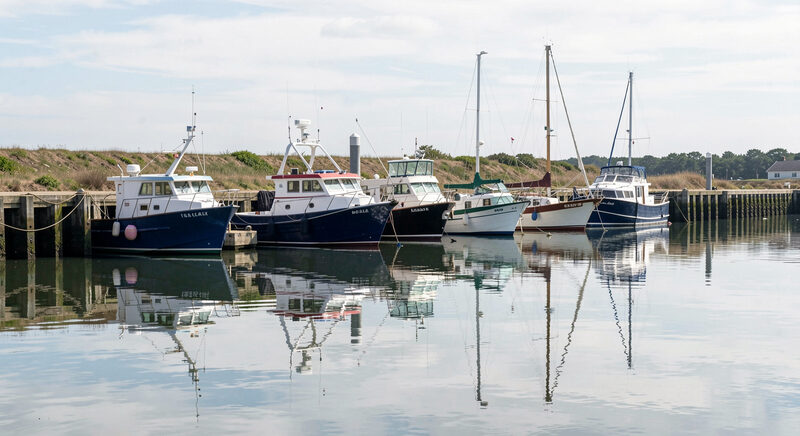
The Rock Harbor Charter Fleet
A guide to the Rock Harbor charter fleet: how the boats differ, what a six passenger charter includes and what to ask before you book.
Independent captains sharing one fishery.
Boats and the Fleet
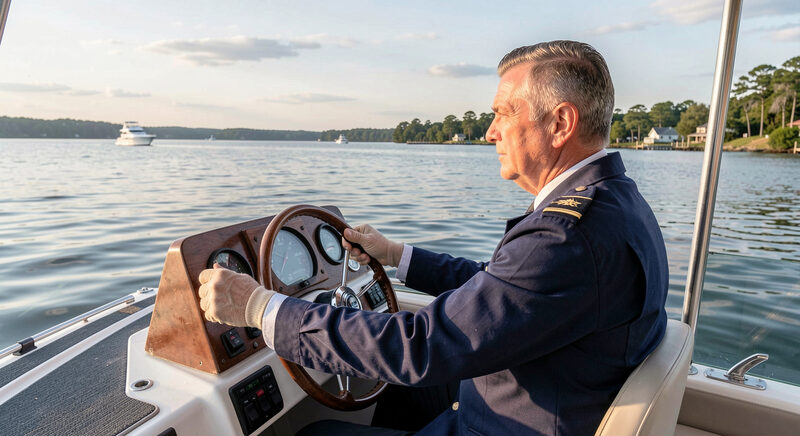
Choosing a Rock Harbor Charter Boat
How to choose a Rock Harbor charter boat: trip length, group size, gear provided, captain experience and the questions worth asking first.
Match the boat to the group and the day.
Boats and the Fleet
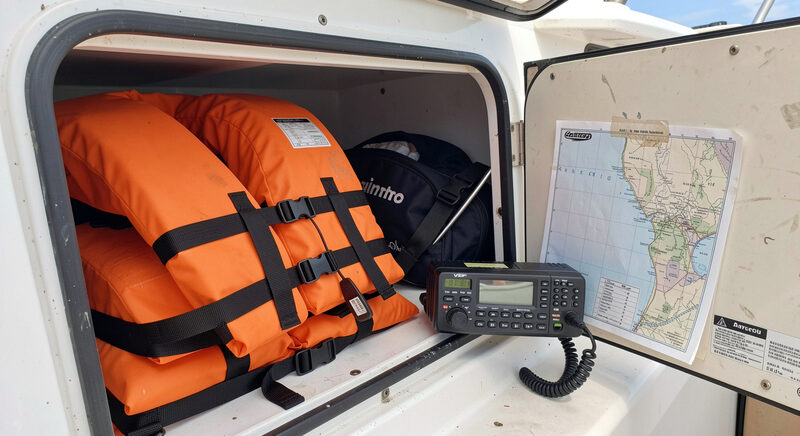
Charter Boat Safety on Cape Cod Bay
Safety aboard a Cape Cod Bay charter: life jackets, weather, sea state, radio and the habits that make a day on the water uneventful.
Ordinary care, applied consistently.