Boats and the Fleet
Charter Boat Safety on Cape Cod Bay
Safety aboard a Cape Cod Bay charter: life jackets, weather, sea state, radio and the habits that make a day on the water uneventful.
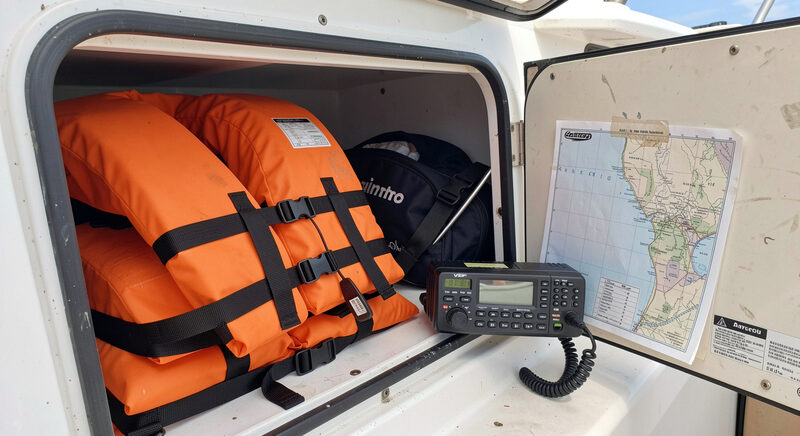
Fishing from a small boat on a shallow, tidal bay is a safe activity when it is done properly, and the proper way is not complicated. It is a set of habits: knowing the weather, wearing the right gear, staying with the boat and listening to the captain. A charter day on Cape Cod Bay should be uneventful, and the way it stays uneventful is by taking these things seriously without making a fuss about them.
This guide covers the safety practices that matter aboard a charter boat on this water. It is not a substitute for the captain's briefing, which is the authority on the day. It is a way for a guest to understand what is going on and to be a good shipmate.
Life jackets and the first briefing
Every charter boat carries life jackets, and the captain will show guests where they are and how to put them on. On most boats, adults are not required to wear one at all times, but they must know where it is. Children are treated differently, and the rules for young passengers are stricter. A guest who is unsure about children's life jackets should ask before the trip, not after leaving the dock.
The first briefing is also when the captain explains the layout of the boat, where to stand, where not to stand, and what to do in an emergency. Listening to it is not a formality. A few minutes of attention at the start of the day prevents most of the small accidents that can spoil a trip.
Weather and sea state
Cape Cod Bay is shallow, and shallow water can build a short, steep chop quickly when the wind comes up against the tide. A morning that looks calm can turn rough in the afternoon, and a captain will watch the forecast and the sky all day. If the captain decides to change plans or cut a trip short because of weather, that is a safety decision and not a loss of nerve.
For guests, the practical response is to dress for more weather than the morning suggests. Layers, a windproof outer layer and footwear that grips a wet deck make a real difference. Sun protection matters too: on open water, the sun and the reflection off the surface are stronger than they feel on land.
Staying aboard and moving safely
The most common incidents on small boats are slips, trips and falls, not dramatic emergencies. A boat deck is often wet, it moves underfoot and it is cluttered with rods, buckets and lines. The habits that prevent trouble are simple: keep one hand free when the boat is moving, wear shoes with grip, keep the decks clear, and never stand where a line or a fish can sweep you off balance.
When a fish is hooked, the cockpit becomes busy. The mate will direct traffic, and guests should follow that direction rather than move on their own. A big fish or a fast-moving bluefish can hurt someone who is in the wrong place at the wrong time, and the mate's job is to keep that from happening.
Communication and the radio
Charter boats carry a VHF radio and stay in contact with other boats and with shore. That is part of the safety system of a working harbor: the fleet looks out for one another, and help is usually close on a busy summer day. Guests do not need to manage any of this, but knowing it is there is reassuring.
Mobile phone coverage on the bay can be patchy, so a guest should not rely on a phone as a safety tool. The boat's radio is the reliable link, and the captain is the person who uses it.
Children aboard
Children are welcome on most charter boats, and a family trip can be one of the best days of a Cape Cod holiday. But young passengers need extra care, and the rules reflect it. Life jacket requirements are stricter for children than for adults, and a captain will expect a child to be wearing one or to have it close at hand. Parents should ask about this when they book, so there is no surprise at the dock.
Beyond the jacket, the practical advice is to keep children where the mate can see them and to keep them busy. A child who is fishing, helping or watching the water is far safer and happier than one who is bored in a corner of the boat. Rods, hooks and sharp-toothed fish are all things a child should handle only with an adult or the mate close by, and the cockpit during a fish fight is not a place for a small child to wander.
Sun, water and the small stuff
Beyond the headline safety topics, a few ordinary precautions make a charter day better. Drink more water than you think you need, especially in summer. Eat something, because a full day on the water is tiring. If you are prone to seasickness, take medication before you leave the dock, following the instructions on the packet, rather than waiting until you feel unwell. And keep hold of your hat.
None of this is dramatic, and that is the point. Safety on a charter boat is mostly a matter of ordinary care, applied consistently, by people who know the water. A guest who dresses sensibly, listens to the captain and moves with care is doing their part, and the day stays what it should be: a good one. The guide to a first charter trip covers how the day runs, and the boats and fleet section explains the rest of what to expect aboard.