Boats and the Fleet
Choosing a Rock Harbor Charter Boat
How to choose a Rock Harbor charter boat: trip length, group size, gear provided, captain experience and the questions worth asking first.
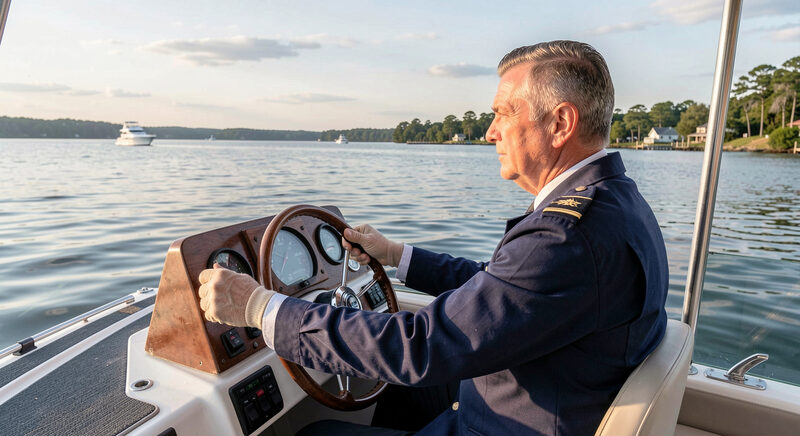
Booking a charter from Rock Harbor is a small decision with a large effect on the day. The boats in the fleet are independent, they differ in size, style and speciality, and the captain you choose will shape everything from where you fish to how the hours are spent. Choosing well is mostly a matter of knowing what you want and asking the right questions before you commit.
This guide is for the guest, not the operator. It sets out the questions worth asking, the differences that actually matter and the small signs that tell you a boat is well run.
Start with your group
The first question is not about fish. It is about who is coming. A family with young children has different needs from a group of experienced anglers, and a boat that suits one may not suit the other. With the six-passenger limit, most trips are small, so the group is usually a family or a few friends. Tell the captain who is coming and what they want, and a good one will tell you honestly whether their boat is the right fit.
Comfort matters more than guests often expect. A boat with a cabin and shade is a better choice on a hot day with children or older guests. A fast center console may be perfect for a group of keen fishermen who want to cover water. Neither is better in the abstract; one is better for you.
Half day or full day
Trip length is the next decision, and at Rock Harbor it is tied closely to the tide. A half-day trip fits neatly inside a tidal window, which makes it simple to plan and a good introduction for a first-timer. A full-day trip has to account for the harbor closing in the middle of the day, and it is often built around a longer run or a bigger ambition, such as tuna.
For a first charter, a half day is usually the wiser choice. It is enough time to fish properly, it costs less, and it leaves the day less exposed to weather or to a slow bite. An angler who wants to chase bluefin or cover distant water will want the full day, with the understanding that it is a longer commitment.
What the boat provides
Most boats provide rods, reels, tackle and bait, and the mate helps guests who are new to the gear. That is worth confirming before you book, because a guest who arrives expecting to fish with their own equipment and finds the boat set up differently will be disappointed either way. Ask what is included and what you should bring.
It is also fair to ask what the boat is set up to fish for. A boat that specialises in light tackle on the flats fishes differently from one rigged for deep water and trolling. If you have your heart set on one kind of fishing, say so, and find a boat whose captain does that well. The guide to the bay's fishing methods explains the difference between them.
The questions worth asking
- What time do we sail, and how does that fit the tide that day?
- What is included: tackle, bait, licence, food and drink?
- How many guests will be aboard, and is the boat private to my group?
- What species are likely on my date, and what methods will we use?
- What is the policy if the weather turns, or if the trip is cancelled?
- Is there a cabin, shade and a toilet for the comfort of my group?
A captain who answers these questions clearly and without overselling is a captain worth booking. Vagueness about what is included, or a promise of guaranteed fish, are both warning signs.
Experience and local knowledge
The real value of a charter is the captain's knowledge of the water, and that is built over seasons. A captain who fishes the bay every day knows where the tide will push bait, which edges are holding fish this week and how the harbor's channel has shifted. That knowledge is not visible in a brochure, but it shows up in the fishing.
It is reasonable to ask how long a captain has fished the area and what their season looks like. It is also reasonable to read reviews and to talk to people who have been out with a boat before. Local reputation travels, and on a small fleet it is a fair guide.
Booking, deposits and cancellations
Most boats in the fleet take a deposit to hold a date, and many expect a balance on the day. The details vary, so confirm them when you book: what the deposit is, when the balance is due, and what happens if the weather forces a cancellation. A well-run boat will have a clear policy, usually returning deposits or rescheduling when the captain calls the trip off for safety. Understanding that policy in advance avoids an awkward conversation at the dock.
Making the choice
In the end, choosing a charter comes down to matching the boat to the group, the season and the ambition of the day. A first-time family will be happiest on a comfortable half-day inshore trip. A group of experienced anglers may want a boat built for light tackle on the flats or one rigged for deep water. A tuna trip is its own decision, with its own costs and uncertainties.
Get those matches right, ask the plain questions, and the rest is up to the water. The guide to the Rock Harbor charter fleet explains how the boats differ, and the guide to a first charter trip covers what to expect once you are aboard. For the rules that apply on the water, see the guide to Massachusetts saltwater rules.