The Angler's Craft
The Angler's Craft
Practical craft for Cape Cod Bay anglers: planning a first charter trip, reading a fishing report and following Massachusetts saltwater rules.
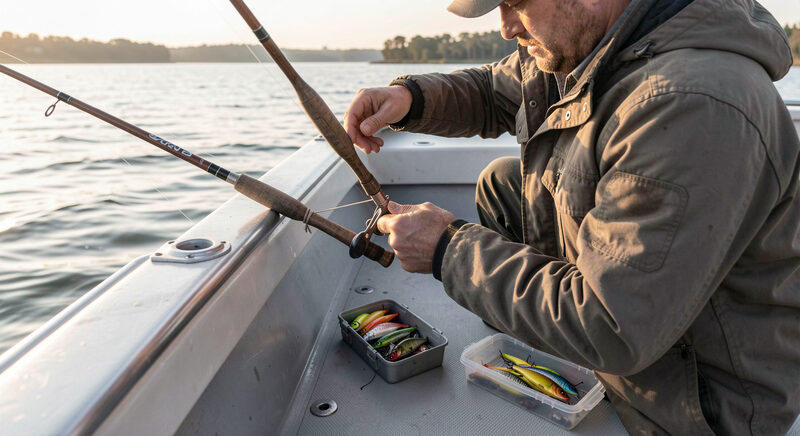
Fishing Cape Cod Bay is as much a matter of craft as of equipment. The angler who understands the tide, knows the rules and arrives prepared will get more from a day on the water than one who simply brings the best tackle. This section of The Billingsgate Journal is about that craft: the practical knowledge that turns a boat trip into a good one.
It covers the things a visiting angler most needs and is least likely to know. How does a first charter trip actually run, from booking to docking? What do the Massachusetts rules require, and how do the state and federal layers fit together? And how does an angler read the reports and the water well enough to plan a trip with realistic expectations?
Planning a first trip
For anyone who has never fished from a charter boat, the first trip is mostly about knowing what to expect. A charter day has a rhythm: arrive, meet the captain and mate, get a briefing, sail on the tide, fish, and return. Knowing that rhythm in advance removes most of the uncertainty, and it lets a guest relax and enjoy the day instead of wondering what happens next. The guide to a first charter trip walks through it step by step.
Preparation is simple. Dress for the weather, bring food and water, take seasickness medication early if you need it, and leave the tackle to the boat. The less a guest has to worry about, the more they can concentrate on the fishing.
Knowing the rules
Massachusetts manages its saltwater fishery with a permit system, and the rules differ between anglers fishing on their own and anglers fishing aboard a permitted for-hire boat. There are also federal rules that sit on top of the state ones, most notably the Highly Migratory Species permit required to target bluefin tuna. Getting these straight before a trip avoids surprises at the dock or on the water.
The guide to Massachusetts saltwater rules sets out the permit, the exemptions and the separate federal layer. The golden rule is to check the current regulations rather than relying on what was true last season, because size limits, bag limits and seasons change from year to year.
Reading the water and the reports
An experienced angler reads more than a rod. They read the tide, the wind, the birds and the colour of the surface, and they combine that with what other people have seen on the water recently. Fishing reports are part of that picture, but they are a guide and not a promise: a report describes yesterday, and the fish move.
The skill worth building is the ability to take a report and a tide table and form a plan. Which way will the current run? Where will the bait be pushed? Is the light right for surface fishing? The guide to Billingsgate Shoals shows how that kind of thinking works on the bay's main structure.
Planning around the tide and the season
Two things decide the shape of a fishing day on Cape Cod Bay before anything else: the tide and the season. The tide sets when the harbor opens, when the current runs and therefore when the fish feed. The season sets which fish are present and which methods make sense. An angler who plans with both in mind starts the day already ahead of one who simply picks a date and hopes.
The tide is the more immediate of the two. A trip is built around high water, and the best fishing often falls on the hours when the current is actually moving rather than at slack. An angler can look up the tide for the day, work out the window in which the boat can leave and return, and plan the fishing around the runs of current. That single habit, applied consistently, is the difference between a well-organised day and a frustrating one.
The season works on a longer scale. In spring the fishing is about the first striped bass on the flats; in summer it broadens to bluefish and, for some, bluefin tuna; in autumn it narrows again to feeding bass on the shoals. A guest who knows what to expect in a given month can choose the right trip, bring the right clothing and set realistic expectations about what might come over the rail.
Putting the two together is the real craft. The best plan for a given day is a season plan filtered through a tide table and the weather, adjusted on the water by what the birds and the reports show. No guide can do that thinking for an angler, but the guides in this section aim to give them the pieces.
It is also worth remembering that a plan is a starting point, not a script. Conditions change, the fish move and the best captains adjust constantly rather than sticking to what they decided at the dock. A guest who understands that, and who stays flexible through the day, will enjoy the fishing more and learn faster than one who measures the trip against a fixed expectation.
What this section covers
- Your first Cape Cod Bay charter trip, how the day runs and what to bring.
- Massachusetts saltwater fishing rules, permits, exemptions and the federal layer.
From here, a reader can return to the bay and seasons section to understand the water, the fish and techniques section to learn the species and methods, or the boats and fleet section to work out which boat to book. The four sections together are meant to be a complete, honest introduction to sportfishing from Rock Harbor and Cape Cod Bay.

The Angler's Craft
Your First Cape Cod Bay Charter Trip
What to expect on a first Cape Cod Bay charter trip: what to bring, how the day runs, sea sickness, and how to make the most of the water.
How the day runs, from booking to docking.
The Angler's Craft
Massachusetts Saltwater Fishing Rules
The Massachusetts saltwater rules an angler should know: the recreational permit, for-hire exemptions and the tuna permit that sits apart.
Permits, exemptions and the federal layer.